
Want to listen to this episode? Check it out on the Goat Hill Rodeo Podcast ⤵️
*** Begin transcript ***
Jenn Tanaka
Welcome, Mike Buley.
Mike Buley
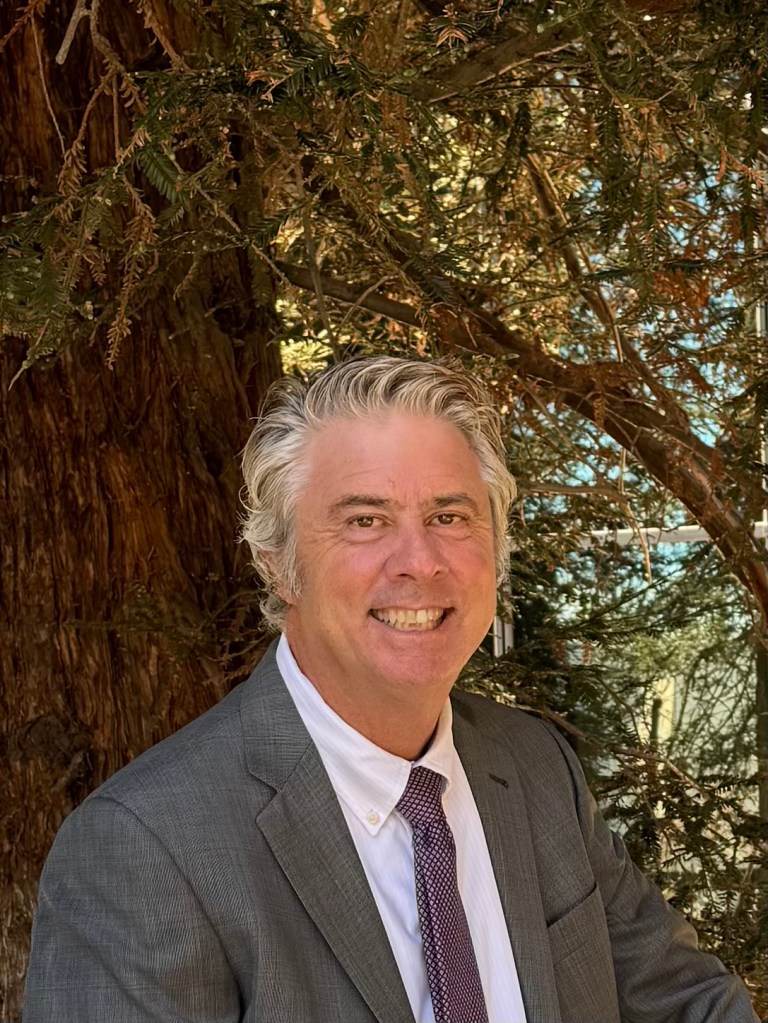
Well, thank you very much and thanks for doing this, Jenn. And I’ll tell ya, I really am appreciative that you’re giving us this opportunity to have a a long form discussion. I think we all know you get into campaign silly season and people, these narratives get started. And I’ll tell ya, running for mayor is a serious deal. And my goal in running my campaign is to let people get to know me as much as they can. And if they like what they see and they elect me, that’s a wonderful thing. If they don’t, that’s fine too.
But this is a great forum to allow any member of the community who wants an opportunity to to know the candidates in depth. So I was very happy when you sent out the invitation to do this. So thanks.
(Photo credit: Mike Buley for Mayor Campaign)
Jenn Tanaka
Awesome. Well, thank you for being here. I’ll jump right into it. You know, let’s start with why are you running? Who are you, and what in your life or in your business inspired you to run for mayor?
Mike Buley
Yeah, I’ll start with the deep philosophical and then maybe I’ll get a little more granular.
You know, I’m 60 years old. I was approached about two years ago, two-and-a-half years ago to run for City Council. And it wasn’t on my bucket list of things to do. But on a philosophical level, when serious people asked me and it seemed like a serious decision to make. You know, I went through the process and I was at a point in my life where I philosophically believe it’s time to give back if you’re in a position to do that. So the service side of me, I don’t want to get all syrupy – I felt I was equipped to do it. The community had asked and then I threw my hat in the ring.
And so now I’ve been on City Council for two years. I came in from the outside. I really wasn’t fully ingrained and granular on all things Costa Mesa.
I’ve lived here 24 years, raised my three kids here, my wife and I. I’ve been involved in youth sports. I’ve been involved in our church, St. John the Baptist, I’ve been on finance council over there. Wife and I had done some anonymous, help the homeless and feed the homeless types of things over the years. And I kind of thought that would be my calling. I’d be of service anonymously, I was kind of eyeing retirement and then spending more time in anonymous service work. And then this path opened up.
And so I got into it, did City Council for about two years. I’m a naturally curious guy. I’m a 30-year trial attorney. I kind of like to get into issues and dig into issues. And that kind of scared me when I was making the decision to run for City Council, because I still have a day job. And I could see that I might get sucked into the City Council obligations, and that’s been something I’ve had to put guardrails up with.
But I’ll tell you, my two years on Council, I have found that I actually really enjoy it. I enjoy the people that I meet, I enjoy the issues we’re dealing with. I enjoy the opportunity to be engaged with the city and to do things to help the city.
And then the same cast of characters kind of approached me apparently after watching me on council for the last year and a half, and encouraged me to run for Mayor. So here I am. I went through the same process. and again, what after the discernment or the deliberation process, it was – okay, if I’m gonna do this, the time demands are gonna be even greater. So I shut down my 30-year law practice and thought I’d plug in at another firm to take some of the administrative stuff off my plate, give me more time to devote to the city and what could be the greater demands.
So here I am, I’m being of service, public service. And on a granular level, now that I’ve been there for two years, I think it was great. I think I’ve learned a lot about governing. I’ve learned a lot about the issues that matter to the city.
And I think I’m equipped: my 30-year trial attorney experience, my natural curiosity on issues, my willingness to engage. I think I’ve made it a point in the two years that I’ve been on Council to meet with as many department heads, to meet with as many engaged local citizens and stakeholders. I don’t think two, three weeks go by that I don’t take a coffee with somebody and find out what they feel about [the Finance and Pension Advisory Committee (FIPAC)], what they feel about Planning Commission. And so I’ve used those two years to learn the governing side of it. And I just think I’m equipped and prepared to now serve the city as mayor.
Things that I think I would bring to the table? You know, I really think that our Council has drifted a little too far in the other direction on national issues and things that just really don’t impact the day-to-day lives of the vast majority of the community here.
Jenn Tanaka
So let’s actually drop into that then. I would love to talk here about what you think – about some of these issues that I think do affect the everyday lives of the members of the community.
The first question that I had was, and this is top of mind for me right now, is that this year at City Council has really felt like the year of land use and housing. And there have been some major land use decisions related to the city’s Housing Element, which is a state required document to plan for housing in the city. Many of these changes have been tied to increasing the number of new homes built in the city.
And reflecting on those efforts, what do you see as the biggest open question that the City Council still needs to resolve with respect to housing on a philosophical level? Because I recognize that as a sitting City Councilperson, you can’t speak directly to major decisions like the Fairview Developmental Center planning process or the city’s ongoing housing compliance efforts. So I’m really trying to understand more – what do you see as the big picture when it comes to housing?
Mike Buley
Yeah, and you’re right. That’s again – running down rabbit holes, rolling up my sleeves and learning things, as a thirty-year trial attorney, I bring all that stuff to the table when we deal with these.
And just to get my brain working and to set the table – I agree, you know, we got Fairview Park. What are we gonna do with that master plan over there? We’ve got the demands placed upon us and the opportunities placed upon us with Fairview Development Center. Just had a vote on that Tuesday night. We have the Housing Element, which for those who may be coming to this issue for the first time, we’ve been told by the state we need to find locations in the city to build at least 11,000 additional units. and with that comes all kinds of regulatory demands, restrictions, rules, regulations, law, and it’s been a bear to navigate that.
And I kind of opined on it on a philosophical level Tuesday night when we’re in there wrestling with the FDC issue. I sat back and I thought, you know, you’ve got a faction, if you will, who is affordability, affordability, affordability, whatever that means. Now we just need to build, build, build – affordability.
And then what I think, although it hasn’t been voiced that clearly, is existing members of the community, people who’ve lived here a long time, who talk about wanting to keep their parks and keep the community and keep their lifestyle as much as they can, despite the need to bring in more housing.
And how I think the proper way to frame it: it’s a quality of life issue. And it’s a quality of life issue for both factions. you have one faction: “I just want a place to rest my head at night. I just want a place to call home. I want a place that’s here in the community that allows me to be in Costa Mesa.” And that’s wonderful. You’ve got another faction – and I think this is where they’re probably aligned and they don’t even know it – is that, “look, I got into Costa Mesa. I got my house. I got my apartment. I got whatever I did to get here. And I love this city the way it is. I can raise a family. We can go to the parks. We can play sports. We’ve got the Performing Arts Center. We got a wonderful, full service, fully engaged, vibrant community near the beach. And we can really live here and grow here.”
And both of them, those that are just hopeful to get an opportunity to live here, maybe an apartment or a condo or something, and they see the path to that is building more, more, more? It will impact the quality of life for them once they get here.
So on Council, we got to try to balance that. I want more, more, more. I’d love to have more people here, more people that have the ability to enjoy co Costa Mesa. At the same time, I don’t want to destroy Costa Mesa as we know it as we’re trying to achieve this affordability goal.
I could have a long discussion with you, and I’ve opined on this from the dais philosophically. I kind of disagree with Sacramento’s solution to affordability. Unfortunately or fortunately, as a Council member, we have to play in the sandbox where we are. And I have to play within the parameters that are set by Sacramento.
And that’s where I will, and you ask philosophically, I’ll approach each of these issues, whether it’s Fairview Development Center. I thought we reached a messy but positive compromise solution on Tuesday night, where we did exactly that: we’re trying to serve 30 masters in this situation. How we made that decision on FDC was going to impact our Housing Element certification. How we made that decision on FDC may impact whether we still maintain control over that project or the state takes over control of that project. And I started to go down that path on Tuesday night to explain to the community some of the consequences we may be facing if we get that decision slightly wrong, horribly wrong, or close to correct.
And I think what happened on Tuesday night, and I give it to Mayor [John] Stephens, he crafted a motion that I could absolutely sign on to because, it’s not perfect, but it puts us in a position to keep the discussion going and hopefully arrive on the best outcome, in a very difficult situation, that serves the best interest of the most people in our community.
Jenn Tanaka
Great. Yeah, that’s a complicated issue for sure. I’m actually going to move us into another complicated issue that has also been, I think, a focus of this year, although I think more at the beginning of the year than most recently over the summer, which is that: despite economic growth, city staff reported earlier this year that without making any changes to the way that the city either spends money or the revenue that it raises the city will likely have a $4.9 million budget deficit by 2030.
Given that you did not support placing a ballotted initiative in front of the voters this November to raise business license fees on some business operating in the city, what do we need to do to get Costa Mesa on a fiscally sustainable path?
Mike Buley
Again, philosophically and somewhat granularly – first I’ll explain my vote. I wasn’t completely opposed to it. And in fact, again, back to taking coffees and trying to do my job seriously, I I’ve reached out to a number of stakeholders, a number of members in the business community, and I won’t drag them into this discussion by naming them, but but large players and large institutions that are going to be impacted by potentially impacted by this sales tax [Note: he’s referring to Measure C, which proposes certain increases of the business license fees paid by businesses operating in the city, not a sales tax increase]. They weren’t strongly opposed to it. Neither was I.
And the reason for my “no” vote was – and this may sound political but it really wasn’t – “just not now,” was my point.
Again, being new to Council, and I’ll be candid and I’ve said it from the dais – I’m an attorney 30-year trial attorney. I’m good with words, not great with numbers. And first year and first time through the budgeting process, I met with guys from FiPAC, I met with other people to educate me. I didn’t know a grant, from a fund, from a tax, from a general fund. First year, I learned.
Second year, I was grateful that we got a lot more volunteer input and I learned more about the budgeting process. And I think I’m kind of there now. I’m not an expert and not Phi Beta Kappa. I’m not ready to become an economist.
But my takeaway this year was that, with the new City Manager, new blood in our Finance Department, we took a real honest look. There was less smoke in mirrors, and there was a 5% across-all-departments cut. And then we can talk about where they found that 5%. But I thought, and I know Stephens made a little comment when I used the term “belt tightening,” but I thought we did a good exercise of belt tightening and twisted the right way and look — we kind of came across with a balanced budget.
(Photo credit: Mike Buley for Mayor Campaign)
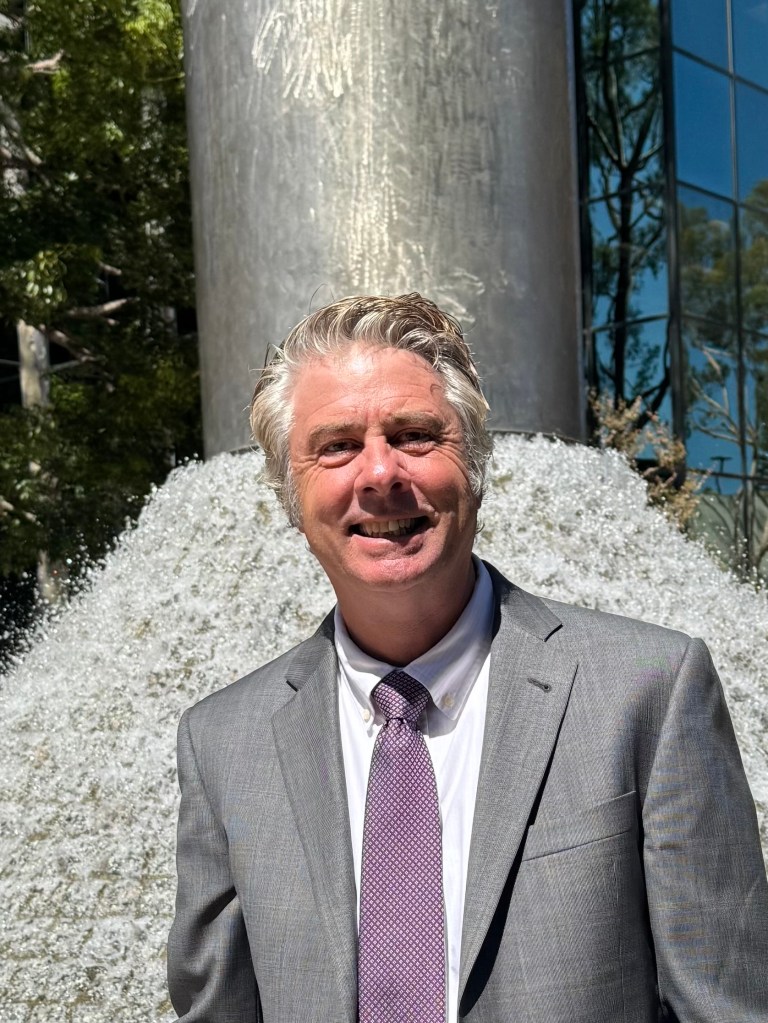
In all candor, my no vote – I’d like to see one more year of that pain, at least one more year. And so I’m satisfied that we’ve squeezed every efficiency we could out of it. And if we’re still at this precarious financial position, I would have thought, “let’s revisit it.”
But they got the votes to do it now. I’m not overly opposed to it. I think it may relieve some of the financial burden on our current budgeting process. I’ve spoken to members of the financial community that are gonna be most impacted by it. So that’s where we were on that.
Going forward, I’m telling you, we gotta find efficiencies. And I’m not one of the doomsayers on AI and the advance of technology. I think we can find efficiencies. And I think if we make it easier to do business in the city, we can find ways to generate more sales revenue, more investment. We can find efficiencies in our permitting and code enforcement. We can increase permitting opportunities and the income that we generate from then.
And then long term, here’s philosophical again. We’ve got a substantial number of people in this [city] who love living here. They’ve been here for 20, 30, 40, 50 years. And as age and natural turnover takes place, we’re going to see a substantial revenue increase in our property taxes as we reset. And now that’s not gonna solve all but budgetary issues next year, the next two, or the next three years, but in the next five to 10 to 15 years, we’re gonna see a completely different –
Right now, our revenue base is – an expert is better than me, so I’m just throwing a number [up] – a large percentage [of] revenue is sales tax, whatever. And second in line is gonna be property tax. But ten, fifteen years, we’re gonna see that flip. And it might be property tax revenue. And we’re gonna be looking at a completely different structural situation. So I don’t know if that answered your question.
Jenn Tanaka
No, it does. So just to follow up and make sure I understand – it sounds like your approach is to monitor the city’s progress with respect to the balance between spending and revenue generation on a year-to-year basis. Is that correct?
Mike Buley
Yeah, 100%. And then back to the challenging budget season that we just went through. It was stated from the dais one the biggest potential hole we’re looking at is – and not to make enemies, but one thing that I think I’ve been consistent with, I’ll touch any issue and talk about it honestly, and it’s not to to point fingers, but if you can’t talk openly and honestly about an issue, then you can’t solve it – what was readily apparent during the public discussions is the police overtime.
And now that we’re fully staffed, the common sense approach was, “well shoot, we’re finally fully staffed. So that should have solved the overtime issue.” Yet, what we heard is it has had zero impact on the overtime issue. And there’s still a potential $4 million overtime gap that is looming.
So to answer your question. Is my approach let’s monitor, monitor and adjust? That’s kind of the approach we’re taking this year. If anybody who is watching recalls, we want to have a report come in at the end of the first quarter, end of the third quarter, and see how we’re doing on that unknown.
And the reason I voted in favor of the budget and what came out of that, was that I relied and trusted our experts. They said they’ve looked at it and their best guesstimate. We all know accounting and finance, and you’re trying to predict what the market’s gonna do, what the sales revenue. Their best estimate is that if everything falls right according to plan, we’re gonna stick the landing, so to speak. Okay – I will defer to [the staff] on that. But let’s monitor it and see. And then as we get into the next budgeting season, let’s see if we found any efficiencies. Let’s see what revenue looks like.
And now, and I apologize, I’m gonna forget the statute, but I did ask staff, there’s statewide sales tax revenue. And then they were unable to give me the answer as to what portion of that revenue is going to be coming to the city. And now if we get this ordinance and it does pass – anyway. So you just have to be aware of all of those issues.
Jenn Tanaka
Understood. You mentioned that you’ve been sitting on the city council for the past two years. Your opponent in the Mayor’s race is also a sitting City Councilperson, Loren Gameros, who represents District 2. If you can recall in the past years, where have you disagreed with him on a vote? And if you can speculate, why do you think you disagreed?
Mike Buley
Yeah, sure. First off, shocker of all shockers, I’m District 1 and Loren’s District 2. So we’re right next to each other. And I think he’ll tell you on a personal level, I think we like and respect each other. I’ll also say on a personal level, and just functioning level, I like our council as a whole. I’ve liked that we’ve been able to disagree on issues. I say this term a lot – disagree without being disagreeable. I’ve liked the civility and the professionalism. And I’ve respected that about everybody, including Loren.
But yeah, there’s a couple that come to mind that kind of show our philosophical difference. Doesn’t make him a good guy or a bad guy. It’s just where we part ways. And a really bright line one and probably not unexpected is where the city, in my opinion, injected themselves into the collective bargaining agreement and process and voted to pass an ordinance that we were going to start requiring grocery stores of a certain size to man or staff these automated checkout counters.
And I opined when that issue came up that: you’ve got federal collective bargaining laws. California’s got probably the most onerous labor protections, wage and hour protections in the [country]. You’ve got these grocery stores on the one hand where their bargaining units and you’ve got the employees have unions that bargain. There’s strict regul– anyway, so it’s been bargained and yet the city has decided to pass an ordinance that says, “hey that’s great that state, federal regulatory bargaining rules have been set, but let’s inject ourselves into the middle of that.” And that might be part of the free market in me. That’s also part of the, do we really need to over-regulate, over red tape, and just inject ourselves into every situation?
So that was the reason I voted no. Loren voted yes. I don’t have a huge issue with him on that because I know which lane he runs in and he is a pro-union guy. And obviously I was not surprised that’s the position he took.
But just back to my deep philosophical level, I think that’s the type of issue that our City Council should not be injecting themselves into when we should be focusing on roads, police, fire, public works. Why are we getting dragged into these national labor debates?
The other one: the rental registry. I voted no on that. He was in favor of it. Fortunately, that one went our way, so to speak, meaning it did not get implemented. And for those who may be just learning of this for the first time, what the issue was, and again, philosophically, from a feel-good standpoint, maybe it made sense to, hey – let’s just track and get data and see what’s happening in the rental market out here in regards evictions and unlawful detainers, and let’s just start tracking all that information. But if anyone’s being intellectually honest, that’s the first step, and you’ve seen it happen in city after city, as a path toward rent control.
And it just defeats – and again, from a philosophical standpoint, if your goal is to create more housing, to get affordable housing and to encourage investment and in entrepreneurs to come into our city and build more houses or renovate and improve existing stock, you need to send a message to them that this is a great place to come in and invest your money and risk your capital.
And if we’re going to telegraph to the investment community, that if you come in here and pour a lot of money into a rental apartment or to renovate, and then we’re gonna tell you what price you can rent it for and and who you can rent it to, they’re gonna [say], “I’m not gonna go invest in Costa Mesa.” And so you’ve defeated your purpose, you’ve defeated your goal. If your goal is affordability and more housing, you’ve just discouraged the exact people that you want to come here and invest. So that’s why I voted no.
You’d probably have to ask Loren why he was in support of that one, but that’s just one where I disagreed with him.
Jenn Tanaka
Got it. And another unique quirk of having two sitting City Council members running for mayor in our system is that, win or lose, there will be a vacancy on the City Council following the election. And at that point, the City Council may then decide to either hold a special election to fill that seat or to appoint someone to serve the rest of the term. If the City Council decides to do an appointment, what qualities would you be looking for when evaluating an appointee?
Mike Buley
One, I don’t want an ideologue. I want somebody who’s gonna roll up their sleeves, do the work, learn the issues. I want them to be pragmatic. I want them to be thoughtful in their approach to issues. I want them to not look for the seat to be a ceremonial position where they’re like, “hey, I’m a city councilman.” I want them to be prepared to do the work and and and to you know, take the role seriously. So that’s what I look for.
You know, in regards to what I would like to see in the makeup? You know, I think anybody who – I’ve loosely followed politics, who can, I’m 60 years old and you see every 10, 20 years or so: there’s a shift. You know, there’s one shift where you could say that it’s gone way too far right. And I’m just talking nationally here. And then there’s a correction and then you come back towards the middle or middle left and then you get way too far left. And then after a period of time that’s not good.
And now you start to see the shift coming back to the common sense middle. I think right now we’re kind of seeing that shift. I think what has happened on our Council in the last number of years, where they’re dealing with rental registries and cash register issues and other national type issues that are more activist related.
I’d like the future council going forward to be constituted in such a way that we’re back to the common sense middle. We’re just pragmatic. And I’ve said somewhat publicly, somewhat privately, if I’m elected Mayor, and depending on what the new Council looks like, I want us to be the most boring city council that’s out there. I’d be completely content if we’re not in the newspapers, we’re not being well known for anything because we’re just making sure we’re dealing with the safety issues, the public works issues, the stuff that impacts our community. And I just think that the current makeup has gotten a little too far in one direction. And I’d like to see us get right back to the middle. And in complete transparency, middle right.
Jenn Tanaka
Fair. So would you consider as part of that weighing any demographic matters with respect to the potential candidates? So for example, their age, their gender, their educational background, their vocation, would those be relevant to your decision making process?
Mike Buley
Only to the extent that what they bring to the table will inform them on their decision-making process. And by that I mean, the ideal candidate might be somebody with a great deal of life experience. I really love having meaty discussions with people who can weigh in and think on issues. And I don’t care what their race, religion, gender, ethnicity is if you’re a thoughtful person, willing to engage, and you’re coming to the table. And competence and merit. I mean, that’s first and foremost, competence and merit. And then what you bring to the table.
Jenn Tanaka
Great. You know, this summer I was reading through a poll that was released by the University of California at Irvine that was asking Orange County residents how they felt about different levels of government. And one of the levels of government they polled was local government. And they asked the respondents, do you trust your local government? And only 4 in 10 of those respondents said that they either somewhat trust or very much trusted their local government. So I wanted to ask you, what do you think the City Council can do to improve public trust in city government?
Mike Buley
Yeah. My first thought on that, is it’s typically a perception issue. And I think the public feels like, “hey, they’re not listening to us,” or “we’re not being heard,” or oftentimes, “how did that happen without me never even knowing about it?” So first and foremost, engage in outreach.
And you know, I’ve recently seen – and kudos to Tony, public relations guy – Tony Dedero. Apologies Tony. He does a great job – and recently on our Weekly Snapshot, he’s been pushing out our [City Council] agenda in advance of the two of the next week’s system.
And I think informing the public, informing the public, informing the public. ‘Cause oftentimes, and even before I got on Council and I was just a guy living in Costa Mesa going about my business, a lot of times you don’t learn what’s happening there in City Hall until you feel the impact and then you’re upset about it. This FDC [issue] has been great in that this is one of those huge issues that’s going to have huge long lasting implications where, prior to the vote, somehow, some way we got the community engaged. And that’s how it should work.
So one, I don’t know how we engage in further outreach, further engagement to inform the community as to what’s going on. ‘Cause I think that level of transparency helps push back on that level of distrust.
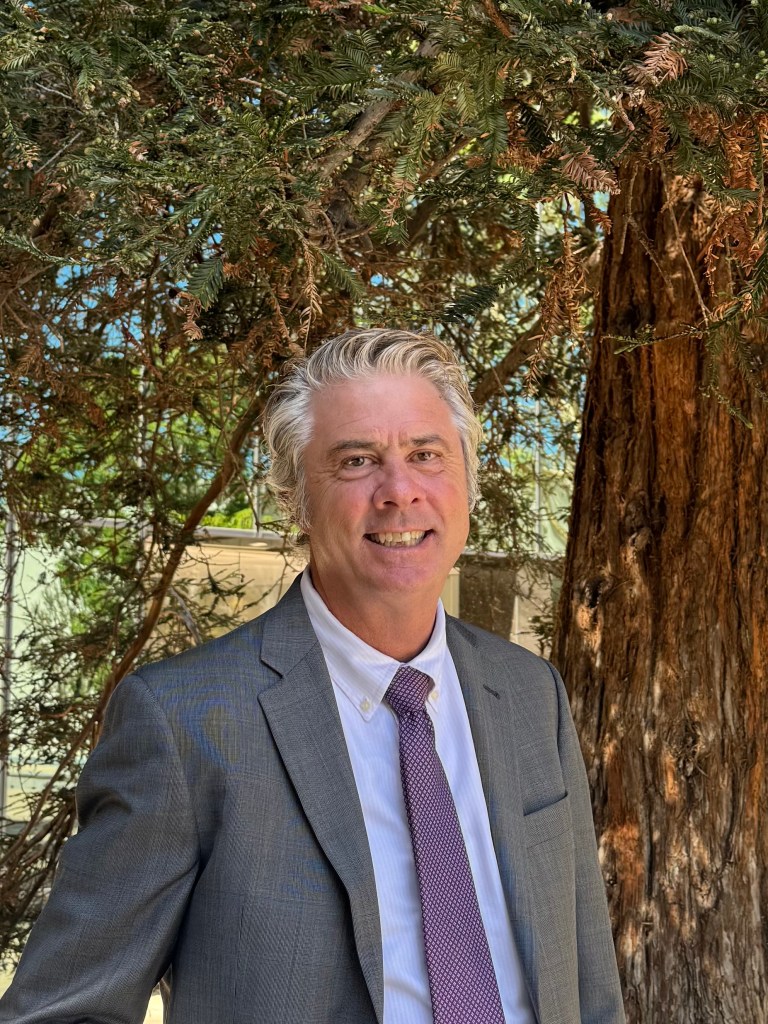
But in all candor, a lot of members of the public don’t want to be that engaged. And I don’t fault them for that. They got lives to live and things to do. And they trust that their electeds are keeping an eye on things. But we still need to make the effort.
Another big thing – and I think I’ve been an advocate for it since, I want to say, my second, third, or fourth meeting – we have, and I’ve said it repeatedly, so those who have taken the time to watch Council meetings, this won’t be news to them, we have engaged, smart, valued members of our community who are willing to volunteer their very valuable time to be on citizen committees to bring the citizens’ desires, wants and needs into the public decision making process. We got FiPAC, we got [the] Planning Commission, we got the Parks [and Community Services Commission], we got the Arts [Commission].
(Photo credit: Mike Buley for Mayor Campaign)
And I will say – wanna be careful here – I’m gonna give kudos to our current City Manager. I would say when I came on board, it became readily apparent to me within the first three months on Council that a lot of decisions that were being made at the department level and from the city manager level were done despite City Council input. They had plans and they had things that they wanted to do. And heaven forbid that information and communication being pushed into the decision-making process from any of these volunteer committees might interfere with that.
I’ve been a strong proponent. If we’ve got skilled, licensed academic individuals in our city who want to be engaged, want to join these committees, and want to be the voice of the community, then we need to get that into the process. And kudos to our current City Manager. I think she – with some proper urging by Council, and I’ll give myself a little credit for that, I did push for that – we actually, the last budget process, we made sure, and even the first budget process, that was my one note opera: I want to know what FiPAC thinks about this. I want to know what FiPAC thinks. Now you guys [on staff] can discount what they say, but at least I want to know what those members of the community think about it.
We’ve recently had great presentations from the Parks [Commission]. We’ve had great presentations from the Arts [Commission]. And I was blown away when I hear these guys come to the podium to give their presentation, [and] say, “what a breath of fresh air. We haven’t been down here in ten years.”
And if we want to answer your question, I think, if the public believes they’re being heard and they’re being invited into the process, I think that goes a long way [to show] look, we’re doing the best we can, and we’re trying, And again it’s messy issues, messy things, but at least if the community feels they’re part of the process. I think that’s how local government’s supposed to work.
Jenn Tanaka
And if you’re successful in November and win the mayor’s seat, and even if you’re not, because you will continue to be a member of the city council for District 1 regardless, you know, you’re gonna have a two-year term. So what do you see as looking into the future, what do you see as the city’s most significant challenge?
Mike Buley
We kind of touched on it, and I’m probably not different than any other city elected.
The budget. You know, we’ve got competing needs to keep this city running properly. And we need to take care of our public safety, fire, police, our public works guys, capital improvement projects. We need to keep our streets properly functioning and running.
And all of that flows from the budget. And all of that flows from when we list our priorities of where we want staff to spend their time and where we want staff to focus their efforts. And this comes back to: do we want them putting on our agenda these national issue things that eat up hours and hours and hours of staff time, keep us there at City Council til’ midnight, or do we want them laser-beamed focus and using their resources and their time on the things that matter? So budgeting’s one.
And I gotta tell you, I’m constantly thinking about stuff. And it’s gonna come back, and it’s – whether it’s the silly season, and that’s why it’s forefront, or whether just get ready, because it’s gonna be all we’re gonna be talking about for the next five years – but [artificial intelligence, or] AI.
And I opined during my public comment session, I think a couple of sessions ago, there’s been a remarkable – at least, initial, positive impact – down in Laguna [Beach] on a pilot program related to how they’ve attempted to incorporate AI into the permitting and planning process, things like that. I mean, something that should have typically taken twenty hours, and that’s just maybe the initial plan check where you have to go through and look at 30, 70 plans just to make sure that everything is there – could take twenty hours. AI can do it almost instantaneously.
I really think within our [information technology, or] IT [department], we need to devote some significant dedicated time to searching and looking and finding some of these efficiencies.
And I’ll tell you: I borderline cringe whenever I see a contractor, or I see a potential new business owner, and I mention I’m a city councilman – because I know the first thing I’m gonna hear, and this isn’t to cast aspersions on the people working in our planning and permitting department, but I hear constantly that we are the worst, and that’s probably hyperbole, the worst city to try to get anything through.
Whether it’s AI, whether it’s whatever, we’ve got to – if people want to come here and open businesses that’s gonna generate revenue or they wanna pay permitting fees to do development that’s gonna generate revenue for the city, I don’t want to be known as the worst city to try to get that done. I wanna be the most efficient city, the most welcoming. And anyway, so AI gets in there with that.
And yeah, so.
Jenn Tanaka
Do you think it’ll be challenging to integrate these AI tools into municipal government?
Mike Buley
I do. You know, it’s funny. I went to [the Southern California Association of Governments] and I went and sat in on an AI seminar. It was very high level. It’s such a new thing, nobody even really knows clearly how to talk about it. And I don’t profess to be an expert on it. But like many new technologies, a lot of it is garbage in, garbage out.
And by that I mean – people have this magical – kind of, let’s just throw AI at policing or throw AI at permitting or throw AI at budgeting. Well, what does that mean? From a practical standpoint, you have to get all your data in the city, everything that you want these new data management technologies to actually address. And then you got to ask it the appropriate questions and how to properly manipulate it. But it starts with gathering all that data and properly feeding it in before you can even figure out what to do with it all. So that integration’s difficult.
The other thing that scares me, scares the community – and I’ve had these conversations with my kids, I just dropped my youngest off at college, so now we’re empty nesters, now the city’s got me for more of my time – but there’s this fear: where all the jobs gonna go?
I’ll tell you, from a personal standpoint, nobody really knows where this is going. But some of the fears I think may be overblown. I think we’re on the precipice of all kinds of new interesting changes.
In my line of work, where we manipulate a lot of data or, excuse me, a lot of papers, a lot of words, we do a lot of motions. You’d think the first to go are gonna be keyboard people like myself. And what I’m seeing – like I said, I just recently plugged into a large national firm – it’s increased efficiencies tenfold. I’m not seeing anybody losing any jobs in there. They’re actually more efficient.
And on a very deeply philosophical thing: I’ve been critical of my profession, in that, as a civil litigation attorney, access to the courts – it’s just economically unfeasible. The average person out there who’s got a clean, legitimate, $100,000 claim, even if it’s a winner, can’t really justify taking that to court. You’re gonna spend an inordinate amount of money just to win that thing because of the time it takes to process a case.
And I think – I’ve thought about this a little bit with AI – rather than one attorney working three or four of those cases, because of the ten hours that goes into this summary judgment motion or thirty hours into reviewing all of this discovery stuff, with AI: [it’s] an hour, thirty minutes. And suddenly access to the courts to more people is more affordable. And it’s not less work for the attorney. He can just serve more people.
Jenn Tanaka
So you see some opportunities for improving public services?
Mike Buley
Yeah, so the reality is it’s one of those things – I can’t predict but get me in the middle of it and let’s see how it goes and we’ll try to navigate it.
Jenn Tanaka
And then, kind of the last “big picture” question is, assuming that you’re successful again in November and that you’re elected mayor, what do you want people to say changed in the city because you were mayor?
Mike Buley
Yeah. I kinda touched on it. I want us to be boring. I would like, you know, we’re a vibrant city. I want us to continue to be a vibrant city. I want us to continue to be a clean and healthy city.
What I would hope to see is that we’re just not an over-run, over-built, improperly planned city. I’d like to hope that at the end of my time, we’ve planned properly for this upcoming growth. We’ve been able to maintain the beauty, the integrity, everything that makes Costa Mesa great, that makes people want to be here. That we haven’t messed anything up that we’ve kept Costa Mesa, the great city it is, I guess.
Jenn Tanaka
And then we’re getting towards the end here. So just some rapid fire questions, you can kind of say whatever comes to mind here. But I was curious, is there a place in Costa Mesa that personally brings you peace or happiness?
Mike Buley
My home. I’m blessed to have a great home life. But I know that wasn’t where you’re going with the question. Might surprise people – ’cause certain factions, you know, and in these crazy times, they like to put people in lanes – and might surprise people that one of my favorite places is Fairview Park. And even before my political career, such as it is, [I’d] walk over there with my kids, walk over there with my dogs.
[On] Mother’s Day, we had a tradition for years. The kids, when they were younger, we’d get the dogs and we’d walk from our house over and through the dirt trails down there. So it’s a beautiful place. And so that’s one happy place.
And another thing, you know, the wife and I – beautiful thing here in the city, and I can’t say that it’s underpublicized, it might be underutilized – but the Segerstrom art complex, you know, they’ve got the their theaters, the this, that. The wife and I, pretty much every time there’s a new installation or a new exhibition over at the Museum of Art over there. And it’s that modern art – sometimes it hits, sometimes it doesn’t. But sitting around bored on a Sunday, it’s free. And you pop over there and it’s just one of the gifts or gems we have of the city.
But yeah, that’s two. But on a more regular basis, if I’m just feeling a little crowded and I need to unplug, I like to pop over to the park.
Jenn Tanaka
Fairview’s a beautiful place. And you’ve lived in the city for a little while now. Can you recall a business – it can also be an institution or maybe a tradition – that’s no longer with us that you miss?
Mike Buley
You know, the one that comes to mind, and it’s not a big one, but yeah, I’m a big eater. But Nicks’s, the Italian restaurant that used to be over by Home Depot: that was an institution. The kids and I used to go over there. That was one in our regular rotation.
For the most part, the amenities and the things that I like about the city and the institutions, the Little League Baseballs and that stuff, they’ve all been there, and still there.
Jenn Tanaka
And lastly, what’s the best kept secret that you are willing to share about Costa Mesa?
Mike Buley
First one’s not really a secret, but I will say, I would encourage people – the Performing Arts Center over there. I mean, a lot of the stuff that they put on is free. They do a lot of free public concerts and stuff. And again I think it’s underutilized. And maybe the reason it is at the top of my mindset right now, they just did their 40th anniversary and I was over there.
And you know, one of the “perks” of the job – and it’s part of the job, you know, you hear a lot of criticisms and you hear a lot of things that are going wrong with the city and you need that – but one of the perks is you you get access to certain things. And I got to go over there and stand up on stage as part of a proclamation. But it was cool; I saw half a dozen community members out there that I knew who were there just enjoying all the concerts and everything going on.
And then a personal best kept secret, and I don’t want to ruin it for myself, but they actually deserve all the accolades that they could get, is over by my house there’s Yubuya. It’s a Korean sushi joint and it’s just wonderful, a father-and-niece duet over there. It’s about the size of a closet. But man, they put out the best – and it’s more traditional sushi. It’s not with all the mayo and all the other extra stuff or whatever. But I get by there about twice a week.
Jenn Tanaka
Well, Mike Buley, thank you so much for sitting down with me.
Mike Buley
Right, and thank you for doing this. Thank you.

