
The city will soon be hosting round two of the Neighborhoods Where We All Belong community workshops, consisting of three 2-hour meetings, one of which will be on Zoom. They have put together a very good website that provides A TON of helpful context on the effort. Start here if you’re new: https://www.costamesaneighborhoods.com.
Below are the details for the upcoming meetings. They are likely all the same—by having three, the city is just trying to reach more people.
Monday, March 2, 2026
6–8 p.m.
Norma Hertzog Community Center
Thursday, March 5, 2026
6–8 p.m.
Virtual workshop on Zoom
Join at www.CostaMesaNeighborhoods.com
Saturday, March 7, 2026
10 a.m.–12 p.m.
Costa Mesa Senior Center
As a quick and oversimplified refresher, the areas of the city that are under consideration for this rezoning effort are known as Measure K sites (see the map of them here). These are properties that were exempted from the restrictions of Measure Y to move the city closer to compliance with state housing requirements. Measure K, like Measure Y before it, added text to the municipal code—and the text of Measure K includes this requirement:
All city-sponsored land use plans adopted or amended for any part of the defined areas eligible for this exemption shall include a public community visioning process (e.g., workshops, design charrettes, community surveys) prior to adoption or amendment by the city council at any required public hearing. CMMC § 13-200.106(g)
So here we are! Now what?
There are a range of ways that cities go about this, from multi-day iterative design charrettes that establish a physical vision and a code to implement it, to simple online surveys. This feels like something in the middle. And we are still in phase one of three, where the staff and consultants are trying to extract something resembling a “vision” for the defined areas. Since the beginning of this process, staff and consultants have used example images of new development projects as something for the public to react to. The shown projects are typically grouped by types of housing and/or density, and participants are prompted to vote for, or otherwise express, which feel tolerable (likely phrased differently).
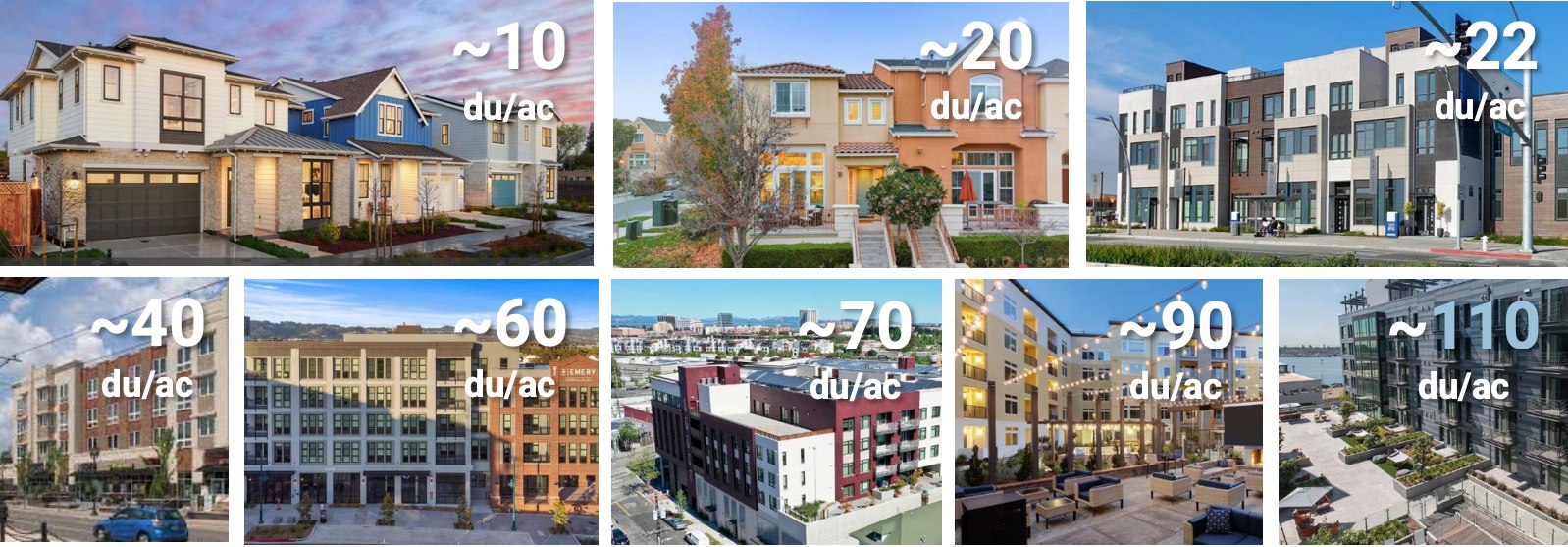
This approach is understandable and consistent with similar efforts across the country. And I think that the city has hit its stride and is doing a good job in conveying a complex project to the public well, and extracting helpful feedback in return that will (in theory) shape the new zoning standards. But I think that there are inherent blind spots and bumps in this path that are worth bringing into the light. Below I’ve made four points that I hope will help clarify some aspects of zoning and development. Note that there is so much that can and should be discussed when it comes to housing development: different models of rent and ownership, the loss of the previous land use, the (necessarily) higher values, the fear of traffic impacts, etc. Here I’m simply trying to address just one piece of it all.
1. Density is an unpredictable metric
“Density” is the primary metric that planners and conventional developers use to discuss development plans. It is simply the quotient from the number of dwelling units divided by the acreage of the site. So, for example, if an acre is to be developed with eight single-family homes, the dwelling-units-per-acre (or DUA) would be eight; if the same acre were to be developed with a building containing 50 flats, the DUA would be 50. And if those 50 flats were to be developed on half an acre, the DUA would be 100. This metric helps developers and land speculators determine the value of the land, and it helps developers, engineers and planners estimate infrastructure needs for the project. It can additionally be helpful to neighbors who are primarily concerned with the aesthetic and traffic impacts that the project will have on their neighborhood, but not necessarily.
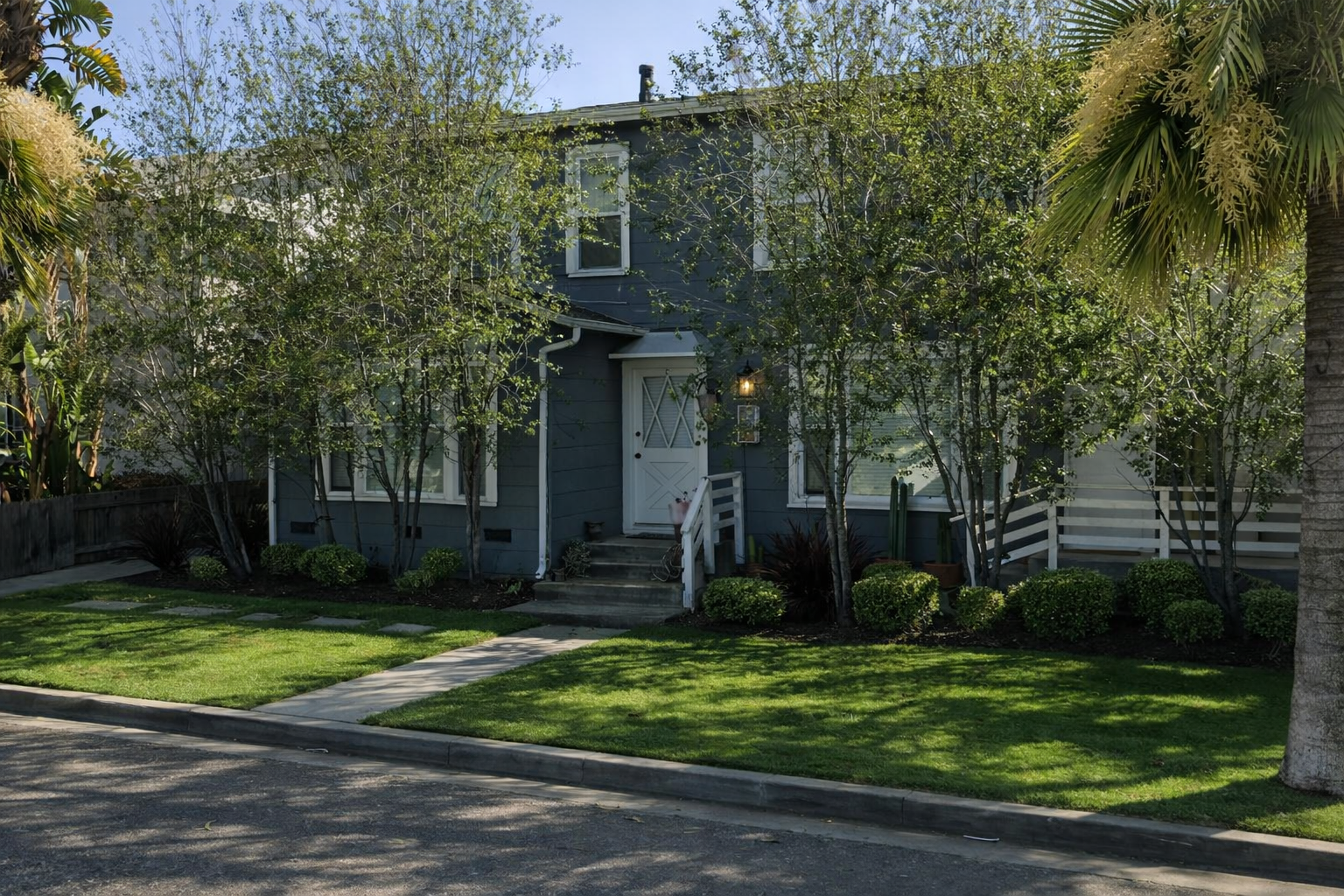
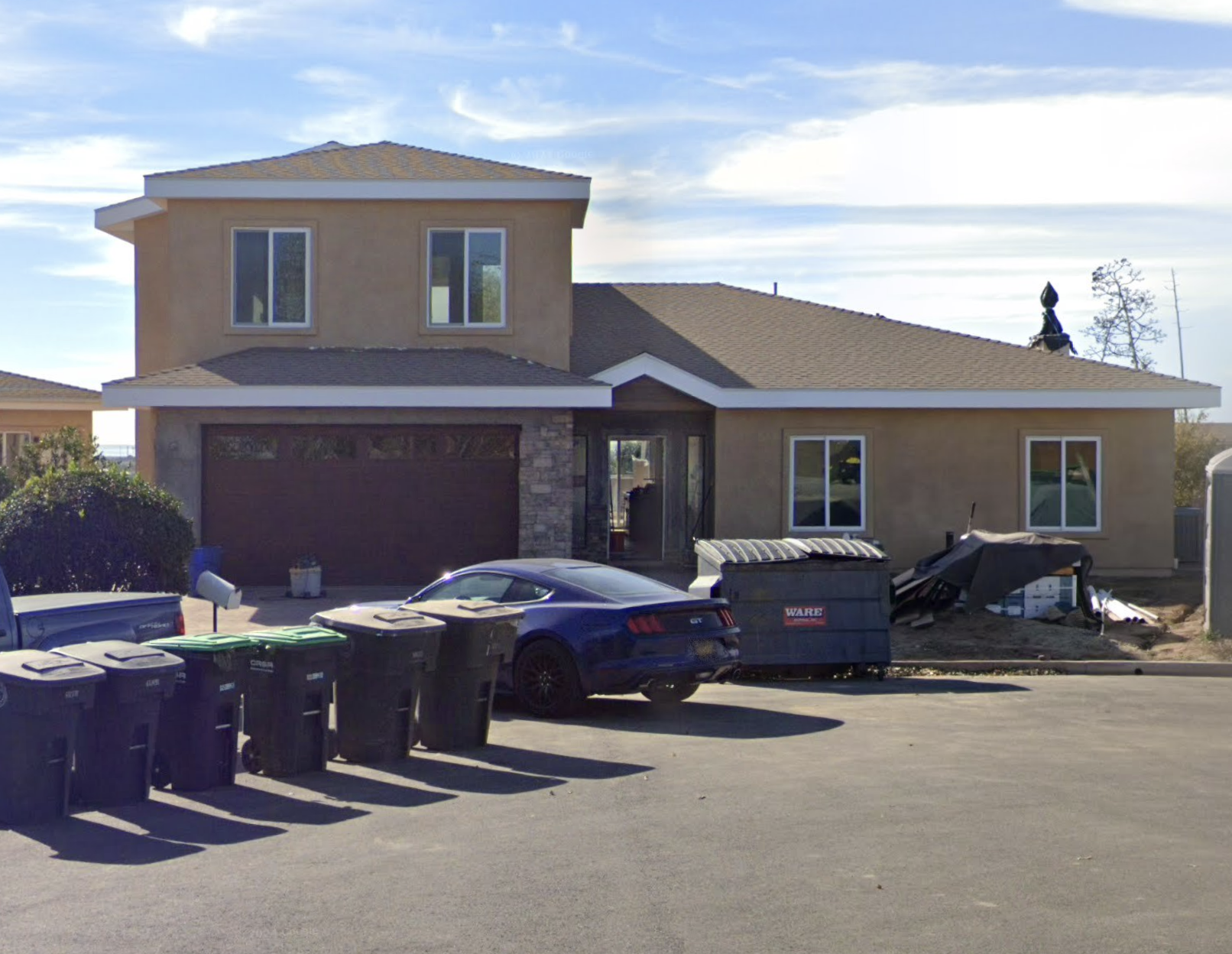
One could take issue with the two Costa Mesa examples I provided above for a variety of reasons, but my only point here is that in general, density does not necessarily correlate with the size or character of a building as experienced from the street. That’s because the metric scales with the number of units and the size of the lot—both of which may very well be imperceptible from the street.
Look at the development below. From the street, one could be forgiven for assuming, based on a common graphic like the one above, that it would have a density around 20 DUA. But no—there are 226 sought-after units on this 2.89-acre site, resulting in a density of 78 DUA!
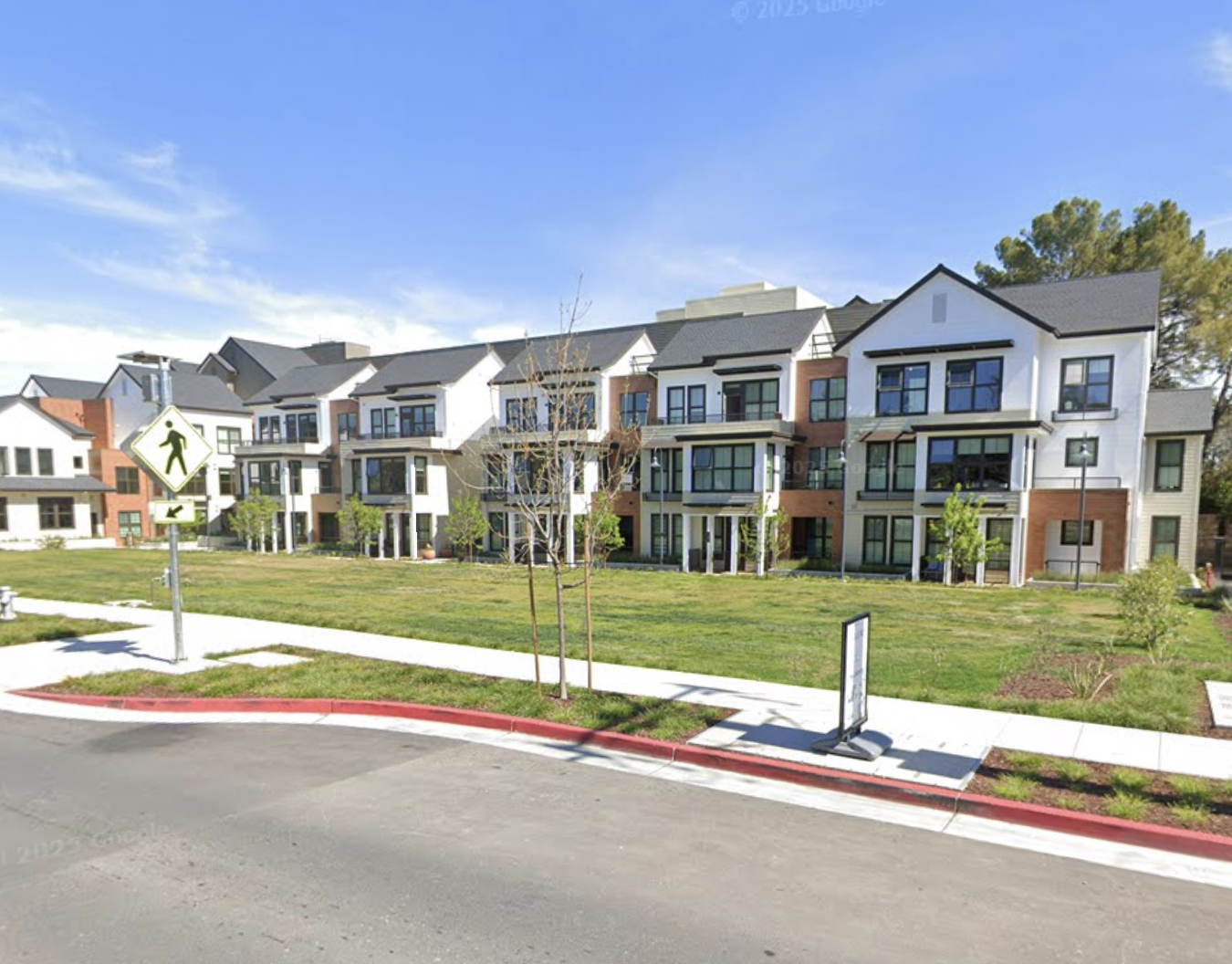
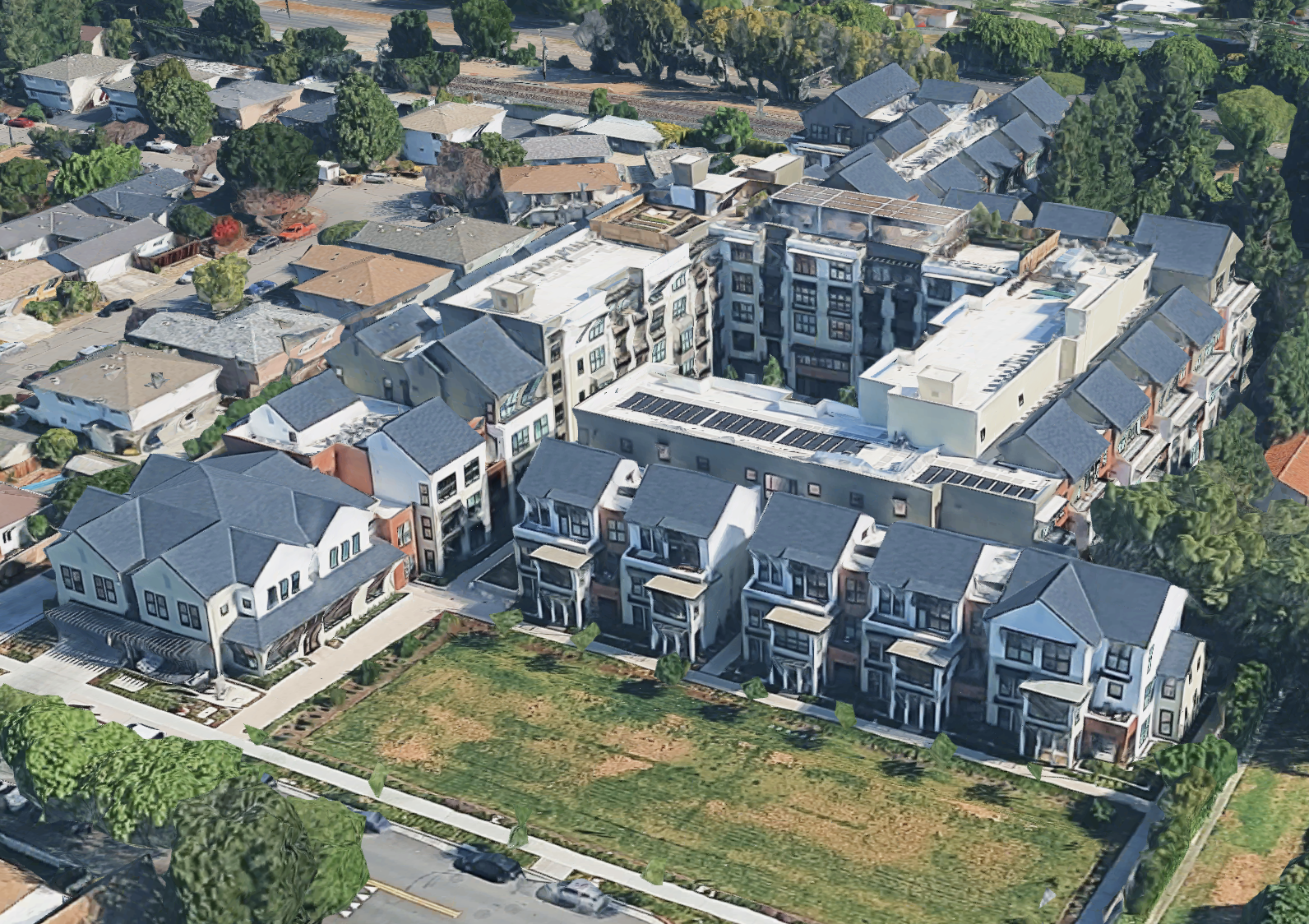
“High density” does not mean that the project will necessarily be soulless, imposing or otherwise disagreeable; and “low(er) density” does not mean that the project will necessarily be unobjectionable. It may be a useful way to measure housing, but not for the reasons you likely care about.
2. Good & bad buildings exist at all scales
Even if we moved past density as a metric, we still risk missing the big picture. I used to have to find example pictures for community engagement exercises or for planning documents and it was stressful—you don’t want to create unrealistic expectations by finding the best or worst versions of each category. Whether the project is a house, a row of townhouses, a mid-rise building of flats, a tower, or a whole block of buildings, the design will fall somewhere along a spectrum of aesthetic quality. Complicating the matter is the fact that there are a dizzying number of variables that can make or break the feel conveyed by a single image (the word feel may seem inappropriate, but this is an emotional exercise whether we like to admit it or not): the angle, the weather and time of day, the immediate environment, the honesty of the rendering, etc.
The point here is that as long as our concern is neighborhood compatibility and character, what matters a whole lot more than we may think are the tangible characteristics that you can see: the ground floor frontage, simple and traditional façade design, and the quality of the materials, etc. Those characteristics can be fantastic or horrid at any scale—so pay attention to whether this is what the surveys are capturing, or abstract characteristics instead.
3. There are more than two types of housing
If density and building type are not the primary drivers of what we experience, why do so many new projects look the way they do? In practice, the invisible forces of lending, building and fire codes, and land economics have cornered us into two dominant products: “double-loaded corridors” and drive-aisle townhouse projects. The former are “podiums” or “wraps.” These are buildings that are typically four to six stories, have a shared parking garage, and contain dozens of units per floor on either side of long hallways. The latter are three or four story “houses” (attached or detached) with small footprints and private garages that take up the majority of the ground floor. While townhouses traditionally convey images of charming rows of skinny houses along a street, conventional townhouse projects typically reach deep into large sites, are criss-crossed with drive aisles, and lack the charming front doors and windows you’d hope they’d come with.
While other countries are ahead of us in this regard, there are a handful of relatively little-known movements across the U.S. that seek to promote and enable a wider array of housing possibilities that many hope to see more of in the U.S. Here’s a sample.
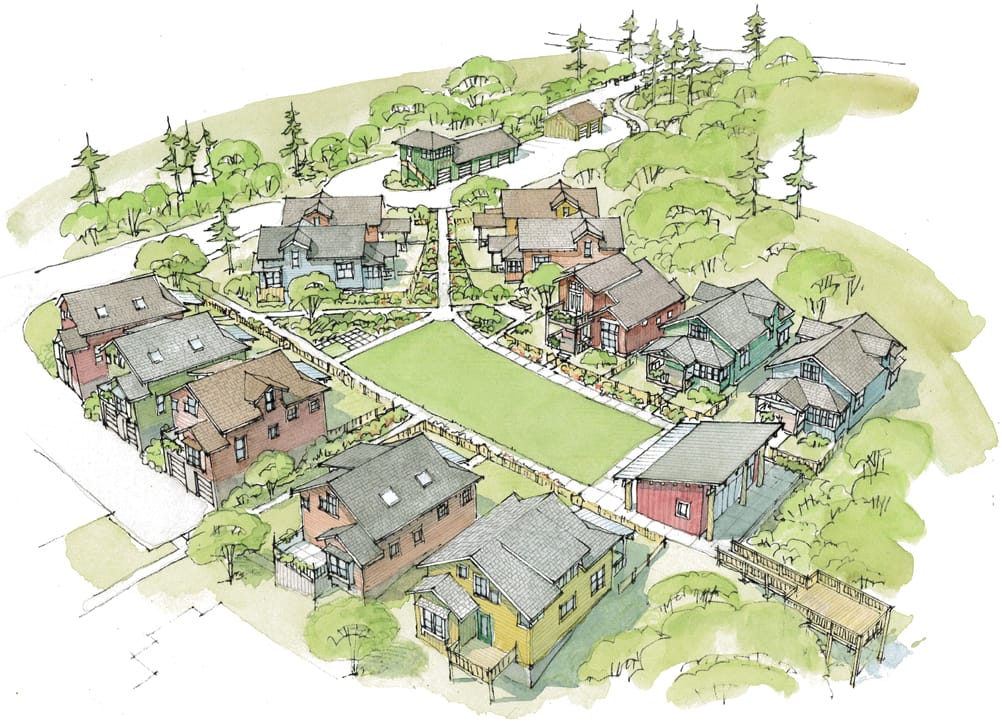
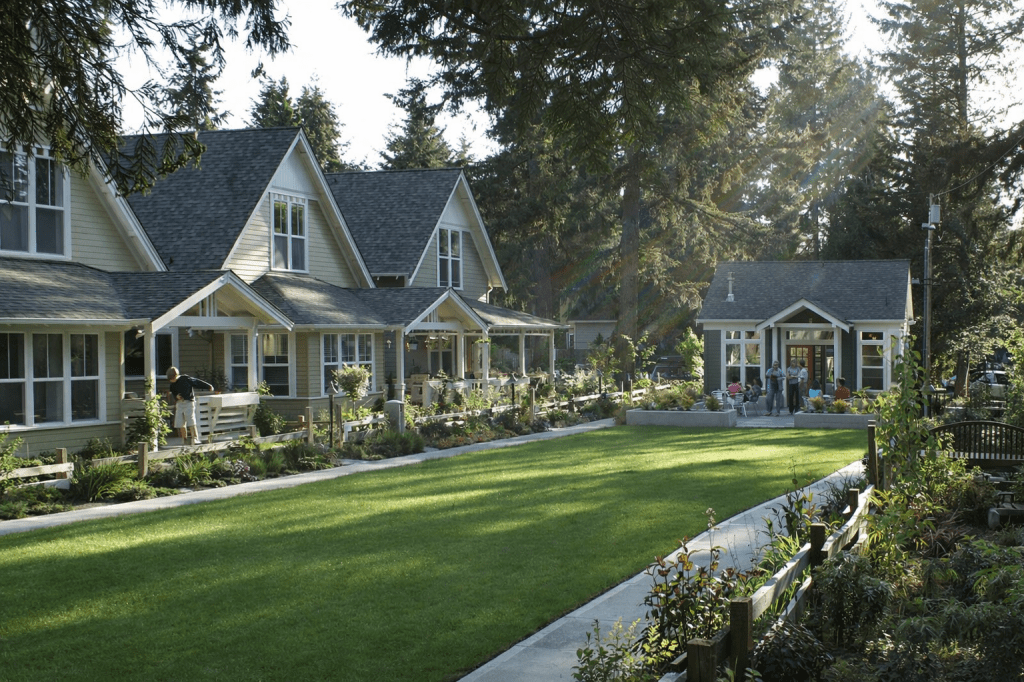
Pocket Neighborhoods. Architect Ross Chapin came up with this term and concept, though the idea of arranging houses around a shared and semi-private open space obviously preceded him. However, he has helped cities and developers around the country figure out how to resurrect this pattern. But, alas, the resulting density is too low for our current zoning crisis on Measure K sites (which is 30 DUA and up, while pocket neighborhoods typically achieve between 12 and 18 DUA).
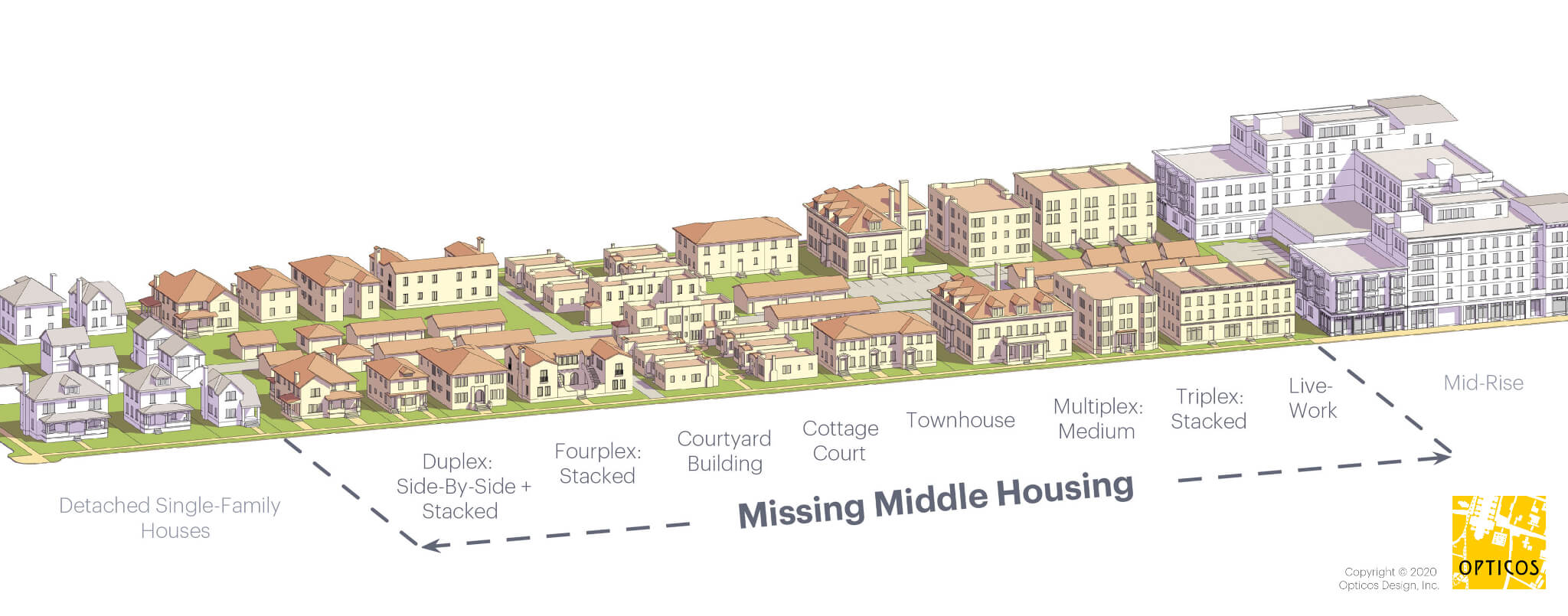
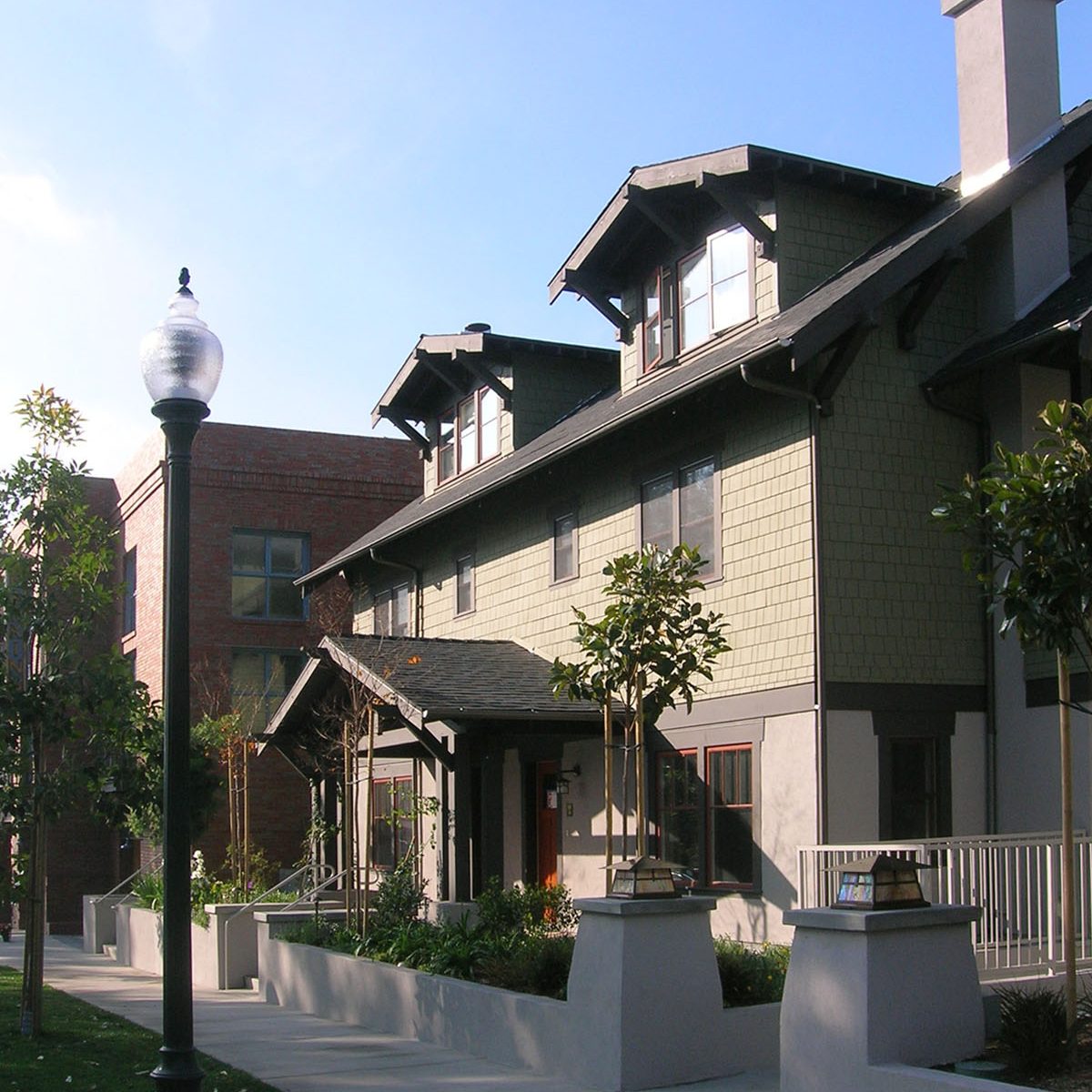
The Missing Middle. This term is widely misused now, but the original definition was meant to be something like multiplexes in the form of buildings that are generally the size and shape of large houses. The intent was to allow house-y neighborhoods to fit more people without drastically changing the scale and character of those neighborhoods. Missing middle housing can achieve surprisingly high densities, but needs to be strategically enabled by savvy building and fire officials and planners.
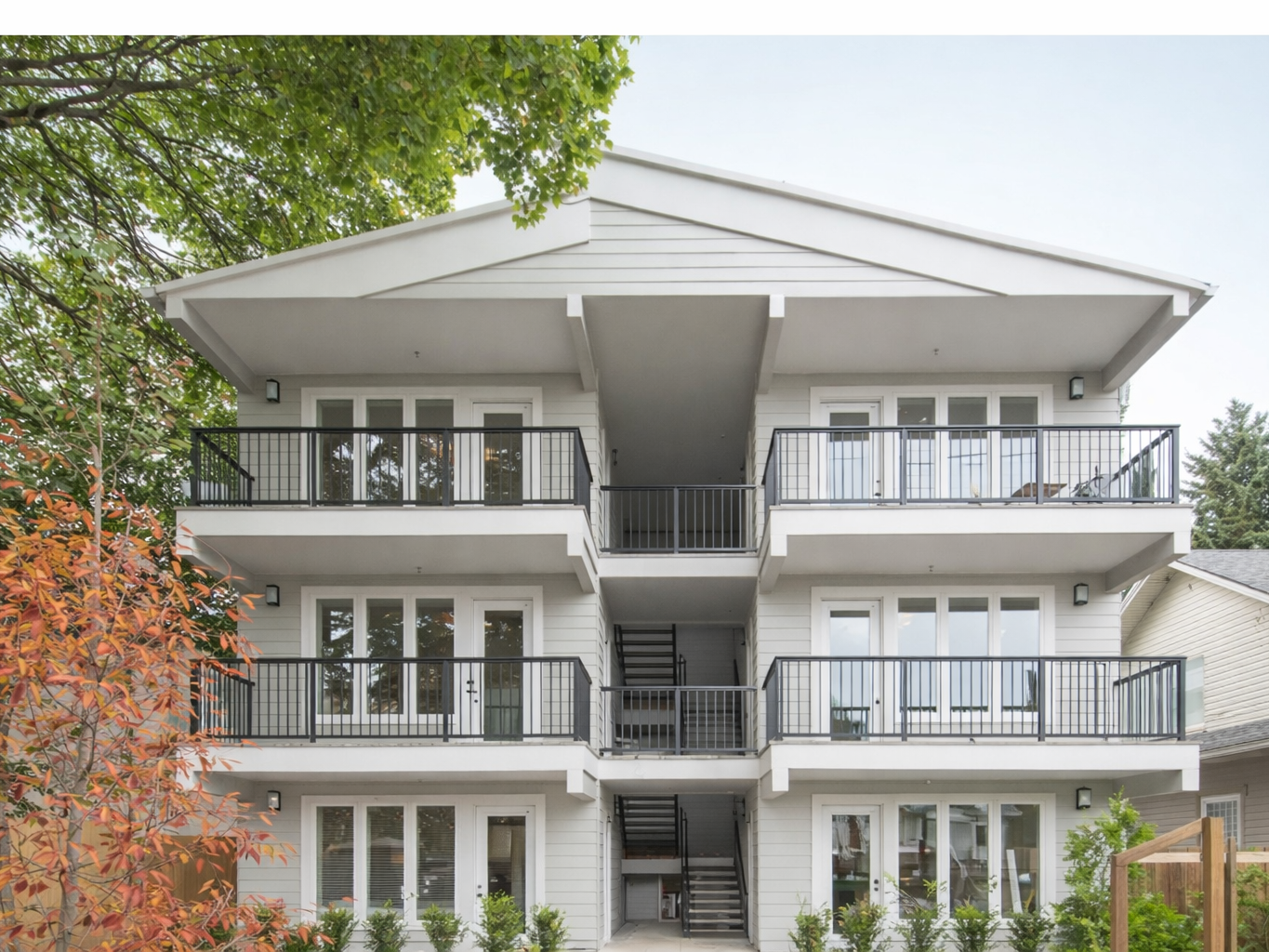
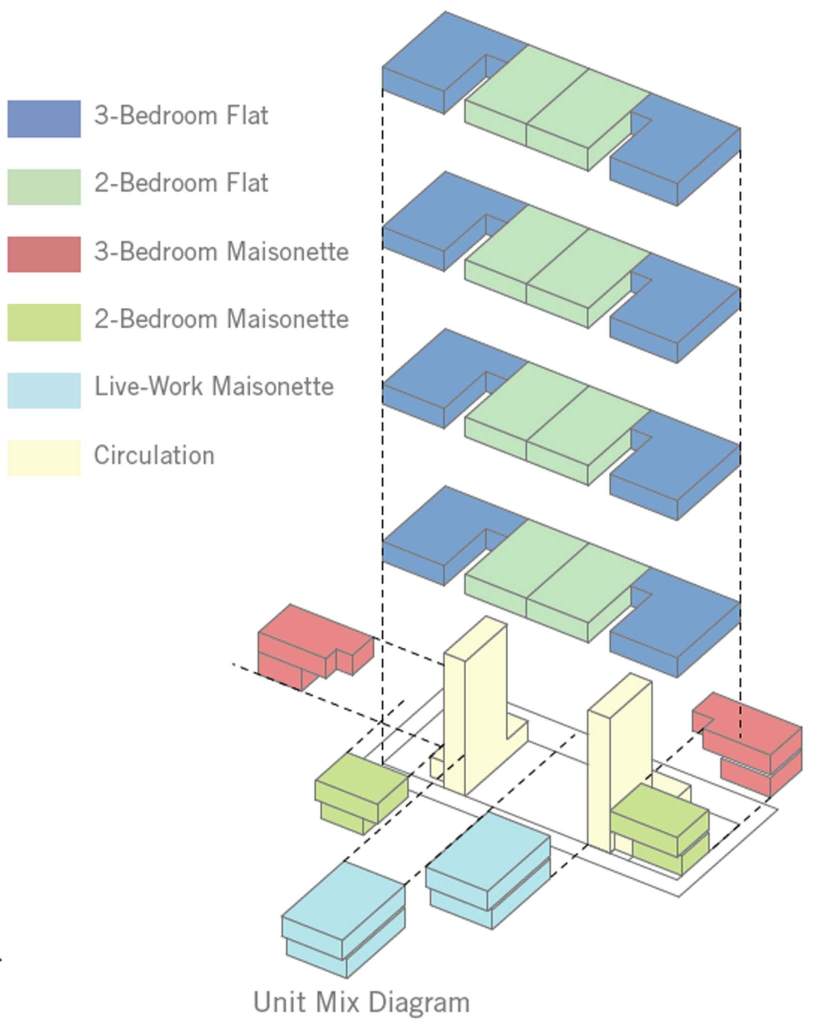
Single Stair Buildings. In most U.S. jurisdictions, building codes still require apartment buildings above a certain size to provide two separated means of egress (stairways). Because those stairs must be spaced apart and connected by corridors, the result is the “double-loaded” hotel-like hallway building. With these variables fixed, there are only so many ways one can design the rest of the building, which includes making it big enough to be worth the trouble. This is one of the reasons that new apartment buildings in the U.S. all are so similar: enormous, with floor after floor of bowling alley, single-aspect, identical units. But in the last five years or so, architects and advocates have been pushing for a change to this requirement that they say would unlock a lost species of building that can be smaller, cheaper to build, of better quality (in terms of better floorplans, light and air from multiple sides, etc.), and better accommodate a range of unit sizes. And they’ve been making progress!
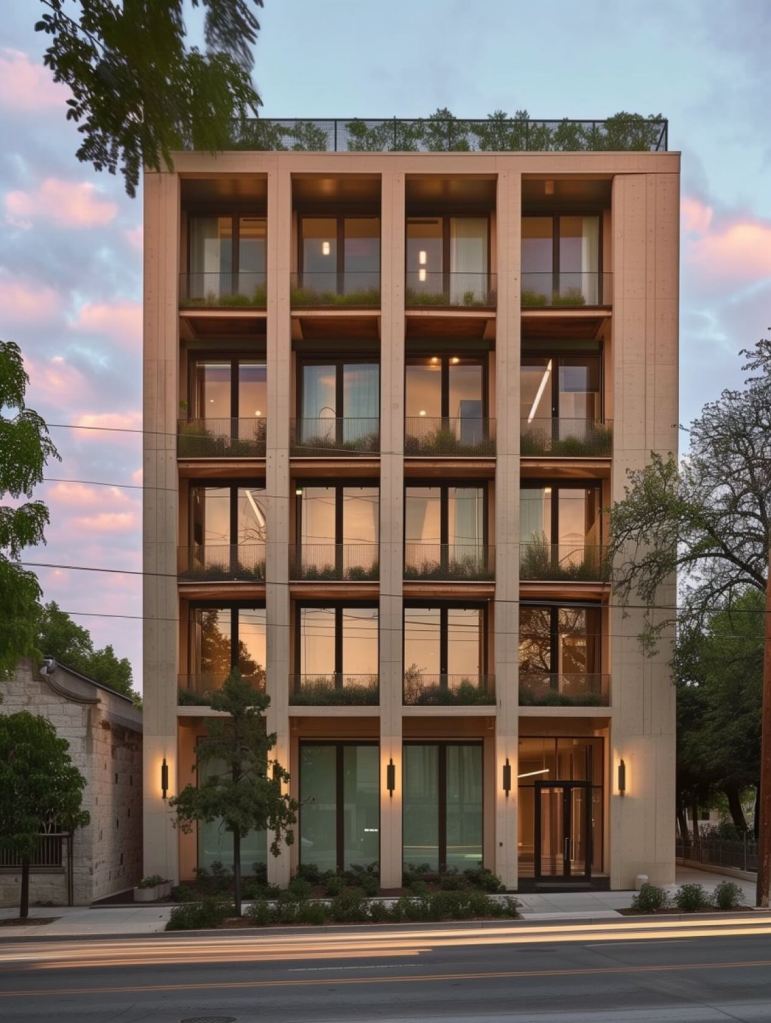
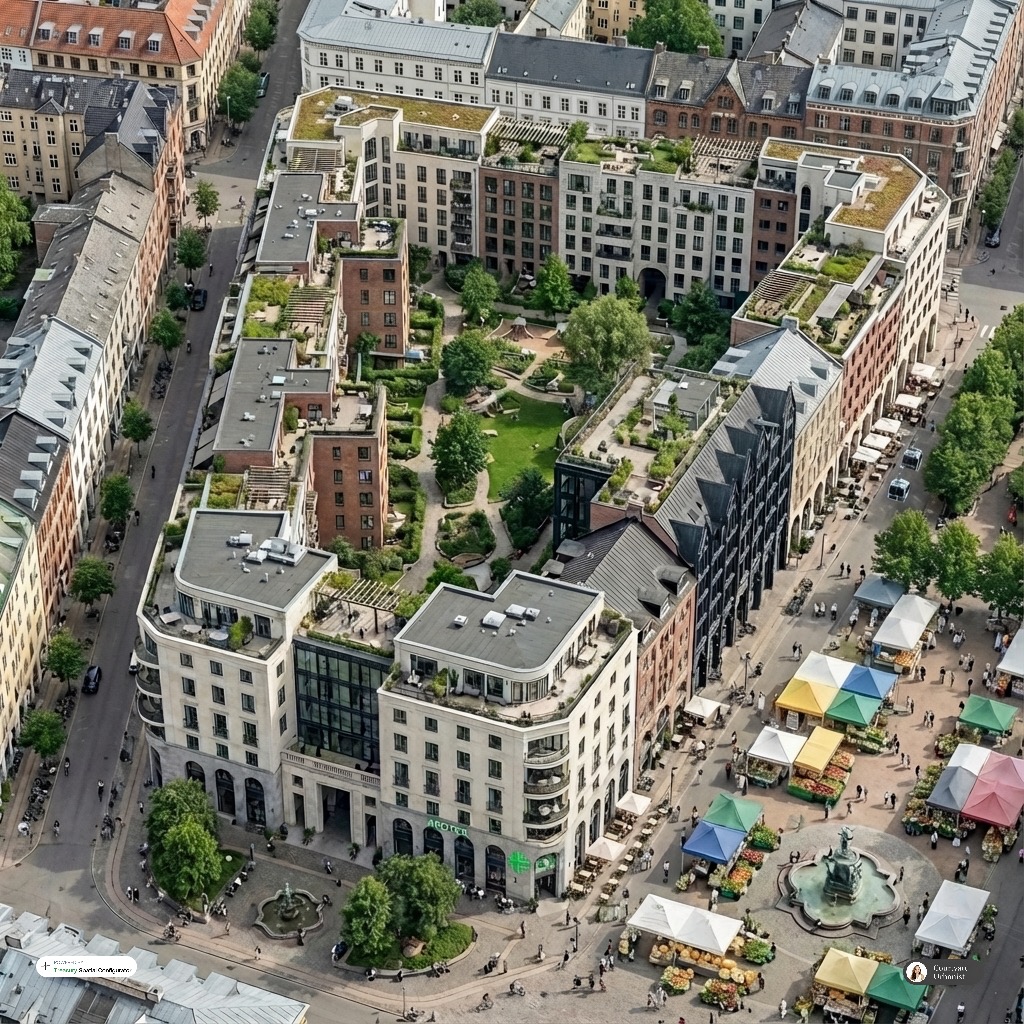
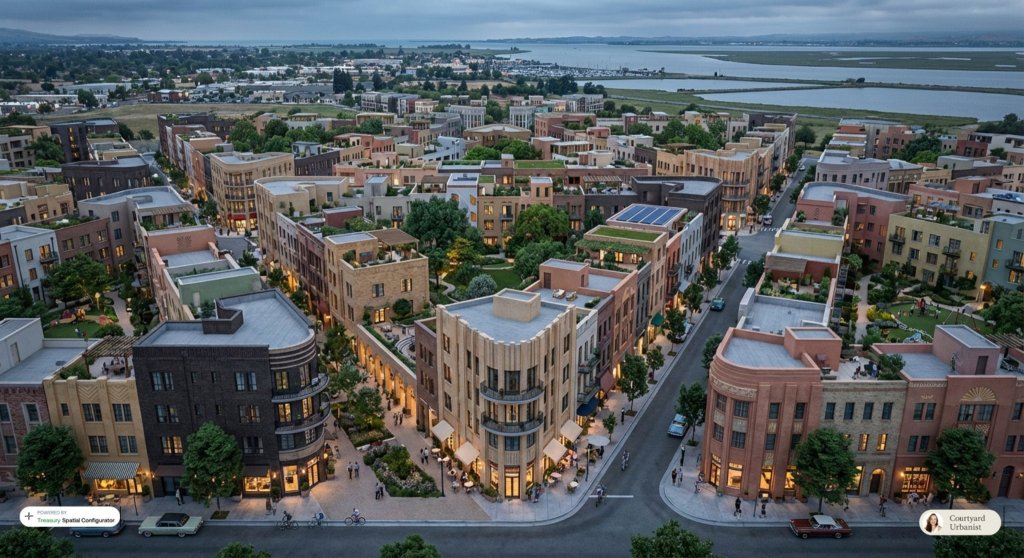
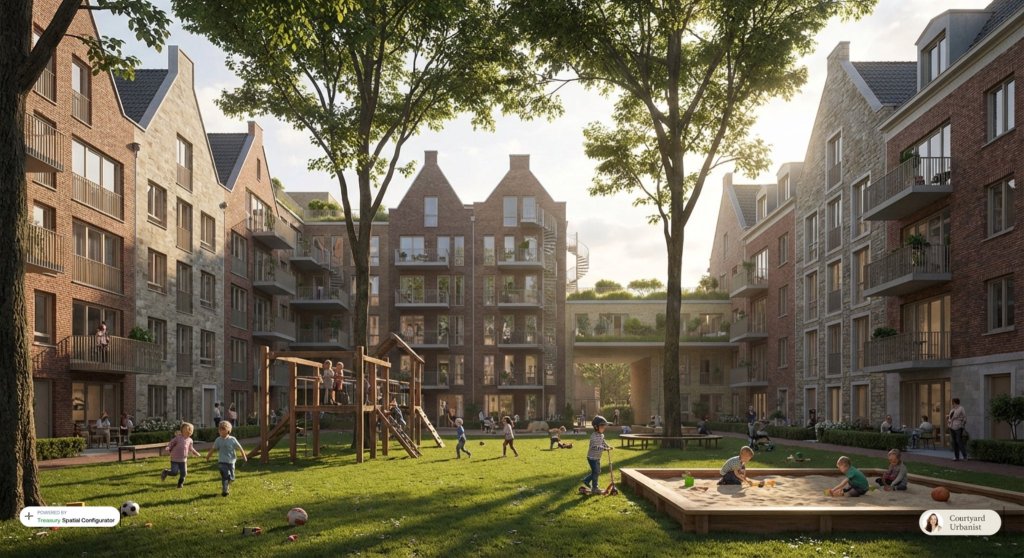
Courtyard Apartments. This is a development pattern that is enabled by the simpler codes in Europe (including the single-stair thing mentioned above) and has recently been getting the attention of Americans thanks in part to Alicia Pederson at Courtyard Urbanist. Essentially, they are attached point-access blocks that form a block edge and are thin enough for generous shared open spaces in the middle. Of course, no one is arguing that any entire city should be carpeted with such intense development. But if certain parts of town are going to grow, there are worse possible outcomes than this!
4. The quality of the street really matters
Once you notice this, it becomes hard to miss. Oftentimes we see an objectionable development project, and have trouble putting our finger on what seems so bad about it. One of the most criticized projects in the city is Superior Pointe (across from Trader Joe’s on W. 17th St.). But would they be as hated if the street were a bit nicer? I tend to think that people would care about the buildings much less if they didn’t stick out so much in a bare environment.
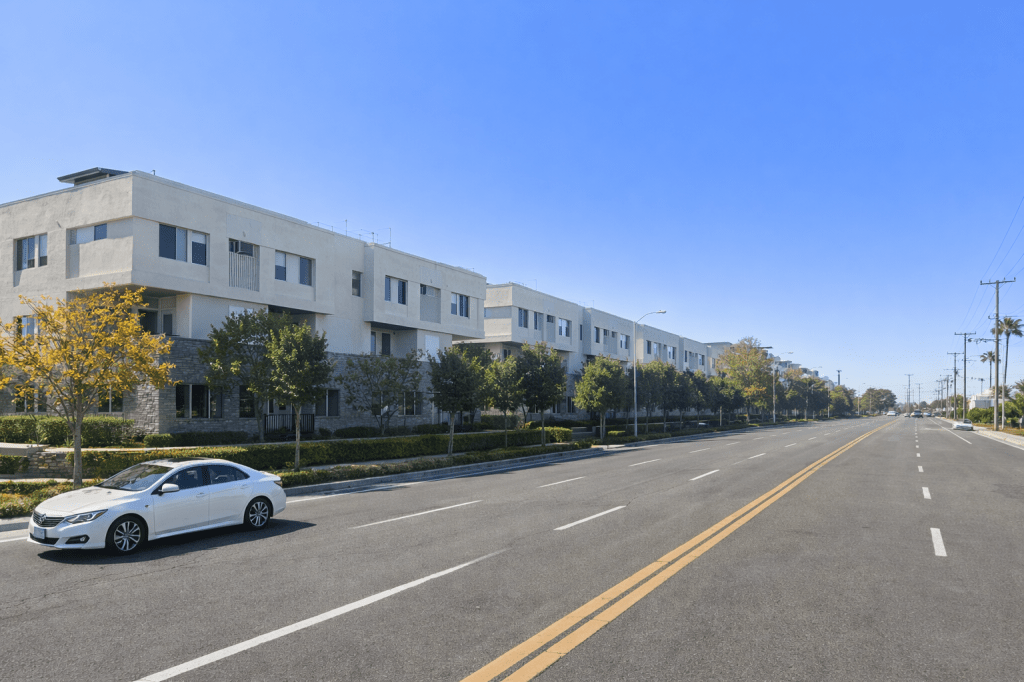
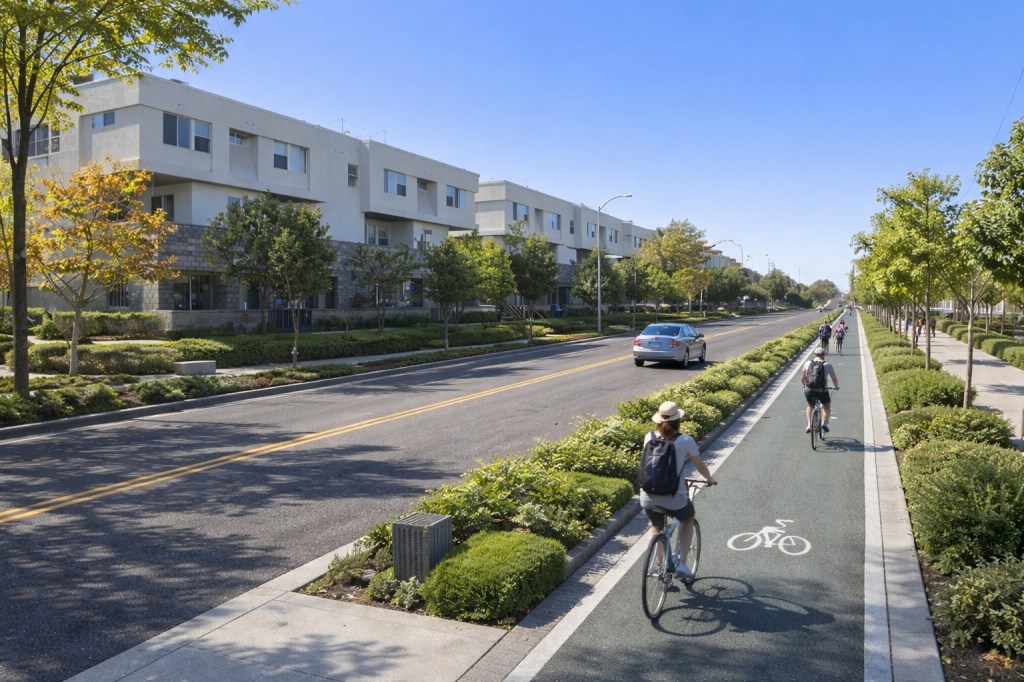
The aesthetic quality of the street and immediate environment matters just as much as the physical characteristics of the development. Therefore, even if we can get developers to build the most appropriately-scaled and beautiful buildings imaginable, it is for naught if they sit on sunblasted and windswept stroads. Conversely, if we can make our streets nice—places you’d feel good walking and even want to linger in—the margin for aesthetic error of the development itself increases. And this is good—because you can’t code for good architecture.
Conclusion
I didn’t talk about everything there is to talk about when it comes to housing development, but I hope I’ve helped clarify four things.
1. Density is a poor proxy for how a place feels. When it comes to housing development, there are much bigger variables than density that drive how a project is actually experienced from the street. While useful for accountants and infrastructure planners, density tells us very little about beauty, comfort, or neighborhood character: the things we all want and care about. But while not a great way to describe what kind of buildings we like or don’t like, density in general (lots of people in a limited geographic area) can be a positive thing, in that it enables the things people say they want: lively retail, viable transit, nearby restaurants, shorter trips, and more walkable and pleasant neighborhoods. The cities people travel the world to visit are rarely low-density. They are just beautiful and human-scaled.
2. Good and bad buildings exist at every scale. What makes the difference are the tangible characteristics we can see—frontage and engagement with the public realm, quality of materials, scale and proportions, how well architectural elements are used, etc.
3. Zoning is only one lever when it comes to design, and often not the most powerful one. It’s understandable that people worry that new development will be ugly and imposing. But writing ever-more-detailed standards into the zoning code will not automatically produce the outcomes we might be hoping for. The little-discussed building and fire codes, lending practices, and land economics shape our places more than we’d care to admit, and are comparatively impossible to change. The zoning standards that we’re working on right now can set some limits and requirements for new development, but they can only do so much to ensure beauty, comfort, or good urban form.
4. The street is half the project. Buildings do not exist in isolation; they shape and are shaped by the public realm. If we want development to result in attractive and welcoming places, we must care just as much about the streets that new buildings front—and even ideally create—as we do about the buildings themselves. Street width, tree canopy, enclosure, sidewalk proportions, and adjacent car speed matter enormously. A well-designed street can compensate for modest architecture; a poorly-designed street can undermine good architecture.
Let’s make the best standards we can in this process, but let’s also not overthink it. The forces of development are often just too complex and powerful to micromanage. To get better physical outcomes in the near term, we need to also stay cognizant of the importance of design judgment, street design, and a shared understanding of what makes places feel good.
 Goat Hill Rodeo
Leave a comment